

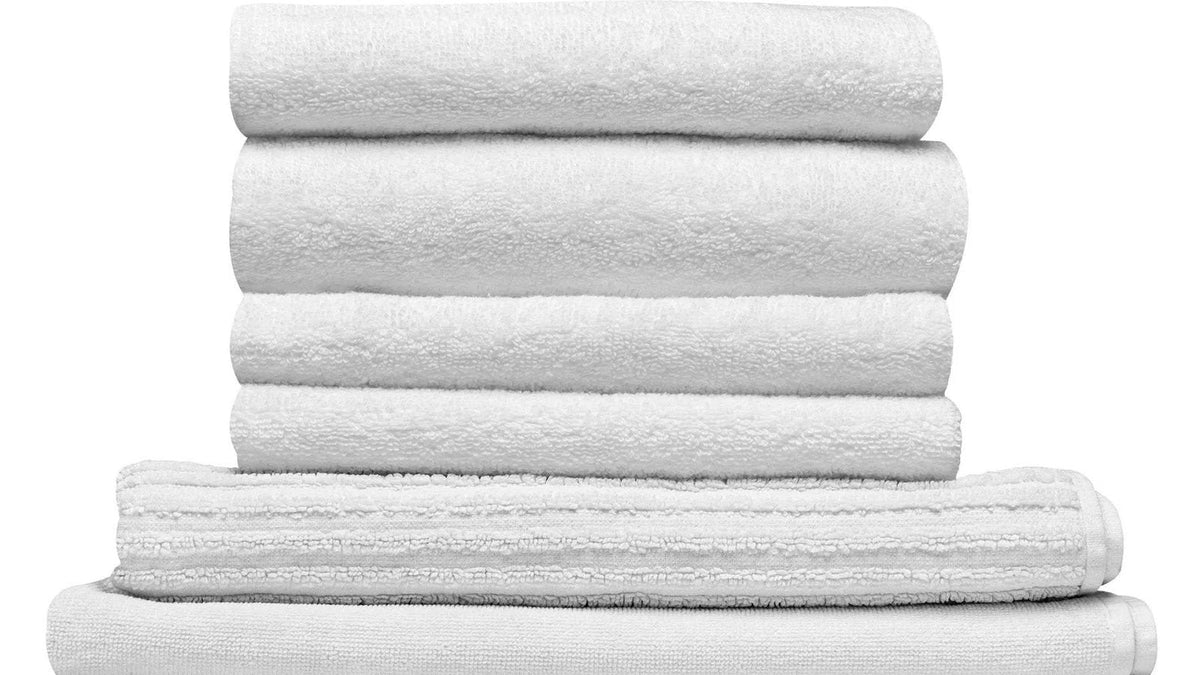
Short answer: During flu and respiratory virus season, long-term care linen handling comes down to four basics: handle used linens gently without shaking them, bag them where they’re removed, keep clean and soiled linens apart from the room to the laundry and back, and wash and dry them on the right cycles. Season planning matters too. More residents stay in bed, more beds get changed, and linens run short faster, so check your par levels before the busy months.
This guide is a practical refresher for nursing homes, assisted living communities and other long-term care settings. It follows the CDC’s guidance on laundry and bedding in health-care facilities. Always follow your own infection prevention policies and your state’s rules first.
Why linens matter more in winter
Respiratory virus season usually runs from fall through early spring. In long-term care, that can mean:
- More bed changes. Residents who feel unwell spend more time in bed, and linens get changed more often.
- More laundry volume. Extra changes put more pressure on in-house laundry or your laundry service.
- Shorter supply. If sheets and towels are in the wash when you need them, the shelf runs out.
The CDC notes that the overall risk of disease spreading through properly handled health-care laundry is very low, and that standard handling steps work. The goal is to follow those steps every time, even when the floor is busy.
Basic 1: Handle used linens gently
The CDC says handling soiled linens with as little agitation as possible helps keep contaminated lint out of the air in resident areas. In practice:
- Don’t shake linens when stripping a bed.
- Roll soiled linens inward, with the dirty side in, as you remove them.
- Keep linens away from your uniform while carrying them.
- Follow your facility’s glove and protective apparel policy.
Basic 2: Bag linens where they’re removed
The CDC’s guidance is to place used linens in a bag or other container in the room where they’re removed, then close it securely so nothing leaks. Don’t sort or rinse soiled linens in the resident’s room.
- Use bags strong enough for the load. A single sturdy bag is usually enough.
- Use leak-resistant containment for wet linens that could soak through a cloth bag.
- Label or color-code bags so staff know what’s inside and handle it safely.
- Never overfill. A closed bag is easier to carry and less likely to spill.

Basic 3: Keep clean and soiled linens apart
Clean linens can pick up contamination before they’re used. The CDC recommends keeping clean and soiled textiles separate during transport and storage.
- Separate carts. Use one cart for clean linens and another for soiled bags, or a clear barrier between them.
- Cover clean carts when they move through the building.
- Store clean linens dry and away from soiled utility rooms.
- Don’t stockpile in hallways. Keep only what you’ll use soon on the floor.
Basic 4: Wash and dry on the right cycle
Whether you run an in-house laundry or use a service, the wash process does the heavy lifting. The CDC describes hot-water washing at 160°F for at least 25 minutes as a common recommendation, and says lower-temperature cycles can also work when the chemicals, detergent and cycle are carefully controlled. Drying adds more heat.
- Follow your laundry chemical supplier’s settings for each fabric.
- Don’t leave damp linens in machines overnight.
- Check care labels. Some fabrics need different bleach or drying settings.
- Remove solids before washing, following your facility’s procedure.
Our guides to bleach alternatives for commercial linens and wash temperatures go deeper on laundry settings.
Check your par levels before the busy months
Par is the number of sets you keep per bed so that one is on the bed, one is in the laundry and one is on the shelf. In winter, many communities find their usual par isn’t enough.
| Item | What to check before winter |
|---|---|
| Sheets and pillowcases | Can you change every bed more often without running out? |
| Draw sheets and pads | Are you stocked for residents who need more frequent changes? |
| Blankets | Do you have extra for cold rooms and residents who feel chilled? |
| Towels and washcloths | Are towels coming back from the laundry fast enough? |
| Pillows and pillow protectors | Are worn pillows and torn covers replaced? |
Our par level calculator helps you size stock by bed. The CDC also says pillows and their covers should be easy to clean, and mattress covers should be replaced when they tear, so add a quick check of covers and protectors to your fall walk-through.
A quick season-ready checklist
- Review your linen handling policy with every shift, including agency staff.
- Stock bags and containers in every resident room and at every cart.
- Label clean and soiled carts so they’re never mixed up.
- Count linens by item and compare against your winter par.
- Replace worn items now, before the busiest weeks.
- Order early. A planned restock beats an emergency order in January.
What long-term care communities order from us
We’re Paradise Pillow, Inc., doing business as The Linen Factory, a bedding manufacturer in Philadelphia. Nursing homes and assisted living communities commonly order:
- Healthcare sheets and pillowcases;
- Pads and protectors, including draw sheets;
- Hospital and healthcare pillows;
- Blankets and towels.
Our nursing home and assisted living bedding guide covers which products to choose. Learn more about what draw sheets are used for. We manufacture bedding in Philadelphia; ask which items are made in the USA.
Small orders typically ship 3–5 days after receipt of order (ARO) and medium orders 7–14 days ARO. Larger custom orders take longer.
Frequently asked questions
Should staff shake linens when stripping a bed? No. The CDC says handling soiled linens with minimal agitation helps keep contaminated lint out of the air in resident areas.
Where should soiled linens be bagged? In the room where they’re removed. Close the bag securely, and use leak-resistant containment for wet linens.
What wash temperature does the CDC mention? The CDC describes 160°F for at least 25 minutes as a common recommendation for hot-water washing. Lower temperatures can work when chemicals and cycles are carefully controlled. Follow your laundry chemical supplier’s settings.
How many sets of linens should we keep per bed? Many facilities plan around three sets per bed and add more during busy seasons. Our par level calculator can help you set the number.
Can we get samples before ordering? Samples are available on request; sample fees and shipping may apply.
Source: Centers for Disease Control and Prevention, Laundry and Bedding: Guidelines for Environmental Infection Control in Health-Care Facilities. This post is general information, not infection-control or medical advice. Follow your facility’s policies and state regulations.
Request a long-term care quote
Tell us your bed count, the items you want to restock and when you need them. Quotes typically take 24–48 hours.
Request a healthcare quote · Call (215) 225-8700 (press 1 for sales) · Email sales@paradisepillow.com
Share:
Marine Corps Barracks Bedding: Durable Linens for High-Turnover Housing